
Understanding Function, Fit, and Fidelity in Patient Monitoring
In a world where healthcare is increasingly decentralized, understanding the difference between home-use and clinical-grade sensors is no longer optional—it’s imperative. From hospitals to living rooms, the functionality of medical sensors must align with the needs, environments, and demands of their users. The wrong sensor in the wrong setting can mean missed signals, delayed interventions, or compromised safety. The key lies in selecting the right tool for the intended purpose.
Defining Home-Use vs. Clinical-Grade Sensors
What Constitutes a Home-Use Sensor?
Home-use sensors are designed with simplicity and accessibility in mind. Typically used by patients or caregivers outside of a formal medical setting, these devices prioritize ease of operation, minimal setup, and intuitive interfaces. Most are pre-calibrated, require no training, and often integrate with mobile apps for real-time tracking. They are generally intended for spot-checking rather than continuous monitoring and are ideal for stable, non-critical conditions.
Clinical-Grade Sensors: Built for High-Stakes Medical Environments
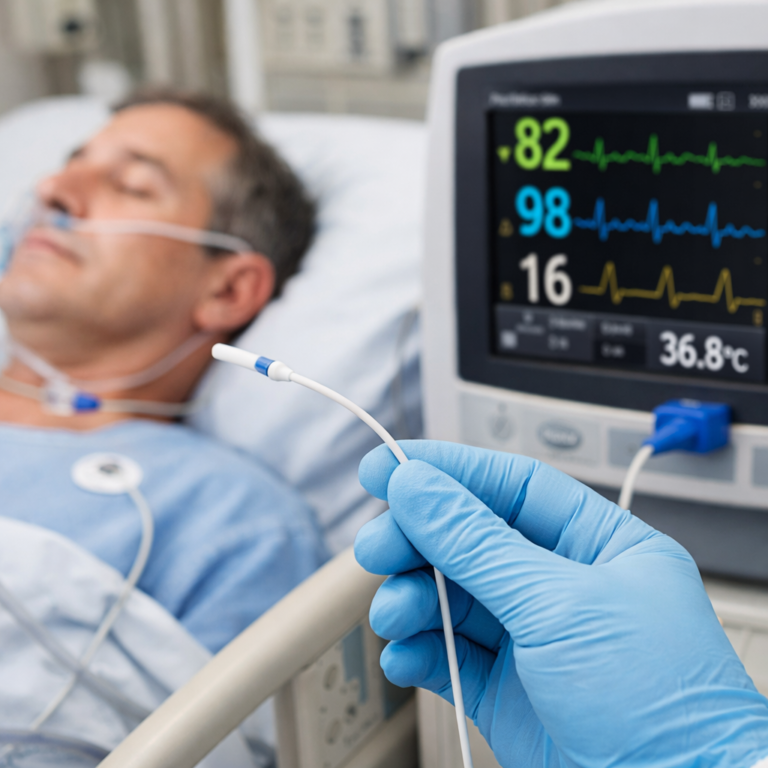
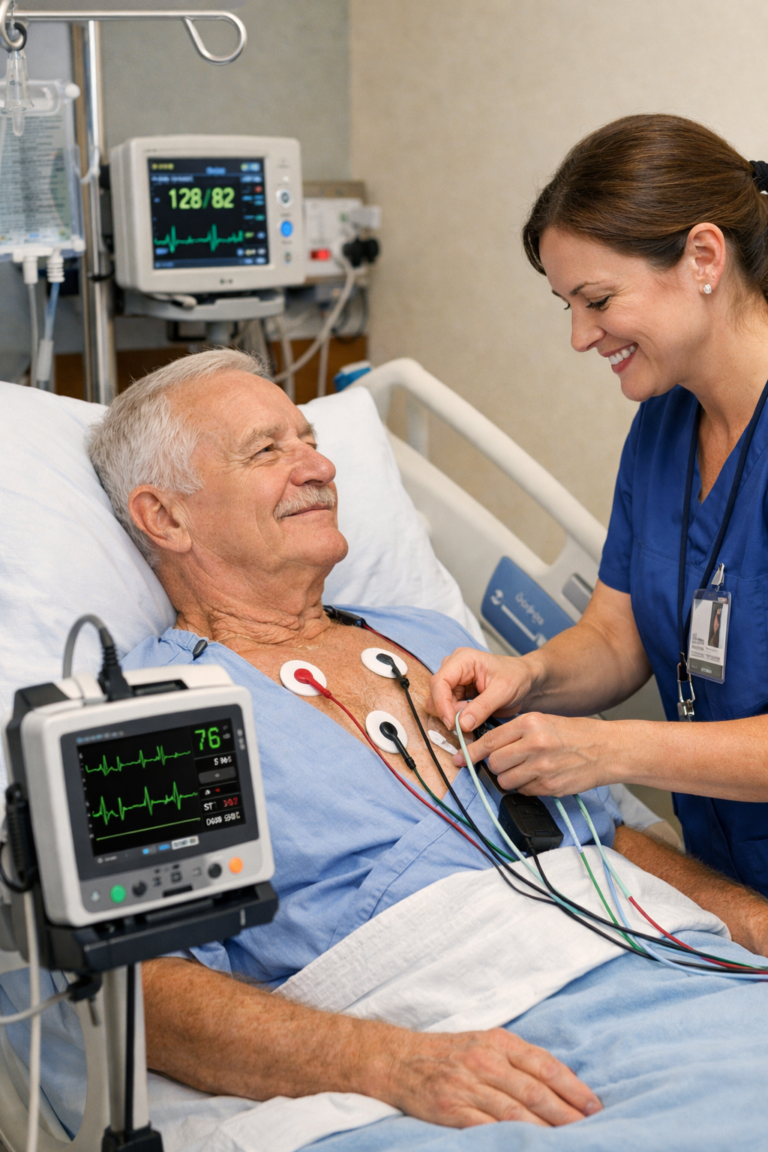
In contrast, clinical-grade sensors are engineered for the rigor and intensity of medical facilities—ICUs, surgical suites, emergency departments, and telemetry wards. These devices must meet stringent regulatory standards, including FDA and CE certifications. Designed for continuous, high-resolution monitoring, they integrate seamlessly with hospital-grade monitors and electronic medical records. Accuracy, stability, and durability are non-negotiables in their construction.
Design and Build Quality
Consumer-Friendly vs. Hospital-Hardened: Material and Durability Comparison
Home-use sensors often feature lightweight plastics and softer materials optimized for user comfort and portability. These materials are more cost-effective but may lack resistance to chemical exposure or mechanical stress. Clinical-grade sensors, on the other hand, utilize medical-grade polymers, reinforced connectors, and robust wiring insulation. They must endure repetitive handling, disinfection, and operation in fast-paced environments without compromising performance.
Ergonomics and Comfort vs. Ruggedness and Reusability
Consumer sensors are tailored for brief wear and ergonomic fit—think soft finger clips or adhesive wraps that are light and unobtrusive. Clinical sensors must serve multiple patients, often over prolonged durations. This means secure fits, durable housing, and reusability under institutional hygiene protocols. The trade-off is comfort for longevity and ruggedness.
Power Supply and Battery Life
Rechargeable and Disposable Batteries in Consumer Sensors
Home-use sensors are typically powered by built-in rechargeable batteries or disposable cells. While convenient for sporadic use, they may fall short during prolonged monitoring or forgetfulness in charging. Their power systems are optimized for portability, not endurance.
Continuous Power and Redundancy in Clinical Settings
In clinical settings, sensors are expected to operate non-stop. They are often powered through dedicated patient monitors or external power supplies with fail-safes. Battery life is not merely a convenience—it’s a critical feature tied to patient safety. Many systems offer redundancy, with backup power ready to engage in the event of failure.
Sensor Reusability and Hygiene Protocols
Disposable Probes and Single-Use Sensors at Home
At-home use prioritizes hygiene through disposability. Most home-use sensors are intended for single-user application to eliminate cross-contamination. Their adhesives and materials are not designed for repeated sterilization, making disposal after use the safest and most practical option.
Sterilizable, Multi-Patient Use with Strict Disinfection Guidelines
Clinical sensors are built for endurance and reuse. They must withstand hospital-grade disinfectants, autoclaving (in some cases), and repetitive patient turnover. These sensors follow strict hygiene protocols to prevent healthcare-associated infections (HAIs), and are labeled with cleaning instructions approved by infection control teams.
Environmental Tolerance and Usage Scenarios
Temperature, Humidity, and Light Sensitivities in Consumer Devices
Home-use sensors are best suited for climate-controlled environments. Extreme temperatures, high humidity, or intense ambient light can distort their readings. Their designs often lack shielding and internal compensation mechanisms, making them vulnerable to environmental fluctuation.
Sensors Engineered for ICU, OR, and Emergency Environments
Clinical-grade sensors are developed to perform in volatile conditions—whether it’s a dimly lit OR, a shock patient in a cold trauma bay, or under the radiant heat of surgical lamps. These sensors employ ambient light filters, moisture barriers, and robust temperature tolerance to ensure accurate, uninterrupted monitoring under duress.
Conclusion
Choosing the Right Tool for the Right Task
Selecting between home-use and clinical-grade sensors isn’t about better or worse—it’s about suitability. A high-end clinical sensor used in a home setting may be overkill, just as a consumer sensor may falter under hospital-grade expectations. Understanding the differences enables informed decisions that protect patients and improve care efficiency.
The Evolving Future of Hybrid Devices Bridging Home and Hospital Care
As telehealth, remote monitoring, and wearable technologies continue to expand, the line between home-use and clinical-grade is beginning to blur. Hybrid sensors—combining comfort with accuracy, portability with robustness—are on the rise. The future lies in interoperable, intelligent devices that adapt across care settings while maintaining reliability, hygiene, and user-friendly design. This convergence will not only empower patients but also equip clinicians with richer, real-time data to deliver smarter, more personalized care.
 English
  German
  Spanish
  Italian
  French
  Portuguese
  Korean
  Russian
  Arabic
  Danish
  Swedish
  Polish
  Japanese