
Introduction
Why Adapter Cables Are Vital in Medical Device Interoperability
In today’s dynamic clinical environments, the seamless integration of diverse medical equipment is more than a luxury—it’s a necessity. Adapter cables serve as the connective tissue between incompatible systems, ensuring that patient monitoring remains accurate, uninterrupted, and efficient. Whether interfacing SpO₂ probes from one manufacturer with a monitor from another, or linking devices across generations, adapter cables uphold the continuity of care in multi-vendor ecosystems.
Challenges of Mixed OEM Environments in Clinical Practice
Healthcare institutions often deploy equipment from multiple Original Equipment Manufacturers (OEMs), resulting in a patchwork of proprietary technologies. This diversity, while enhancing capability, creates operational friction when components fail to communicate. Incompatibility issues can lead to inaccurate data transmission, delays in diagnosis, or complete monitoring downtime—an unacceptable risk in high-acuity settings.
Types of Adapter Cables in Medical Monitoring
SpO₂ Adapter Cables: Connecting Probes to Non-Matching Monitors
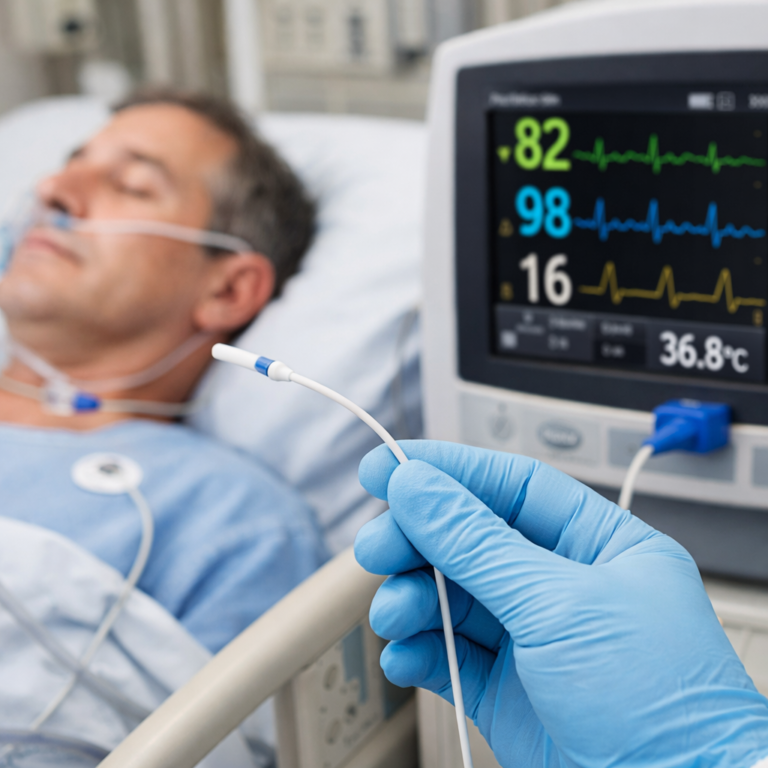
SpO₂ adapter cables enable cross-brand functionality between oxygen sensors and monitoring systems. These cables translate signal encoding formats, making it possible to use Masimo®, Nellcor™, or other branded probes on third-party monitors. They are especially useful in resource-limited environments where replacing a full monitoring system isn’t feasible.
ECG, NIBP, and Temperature Adapter Extensions
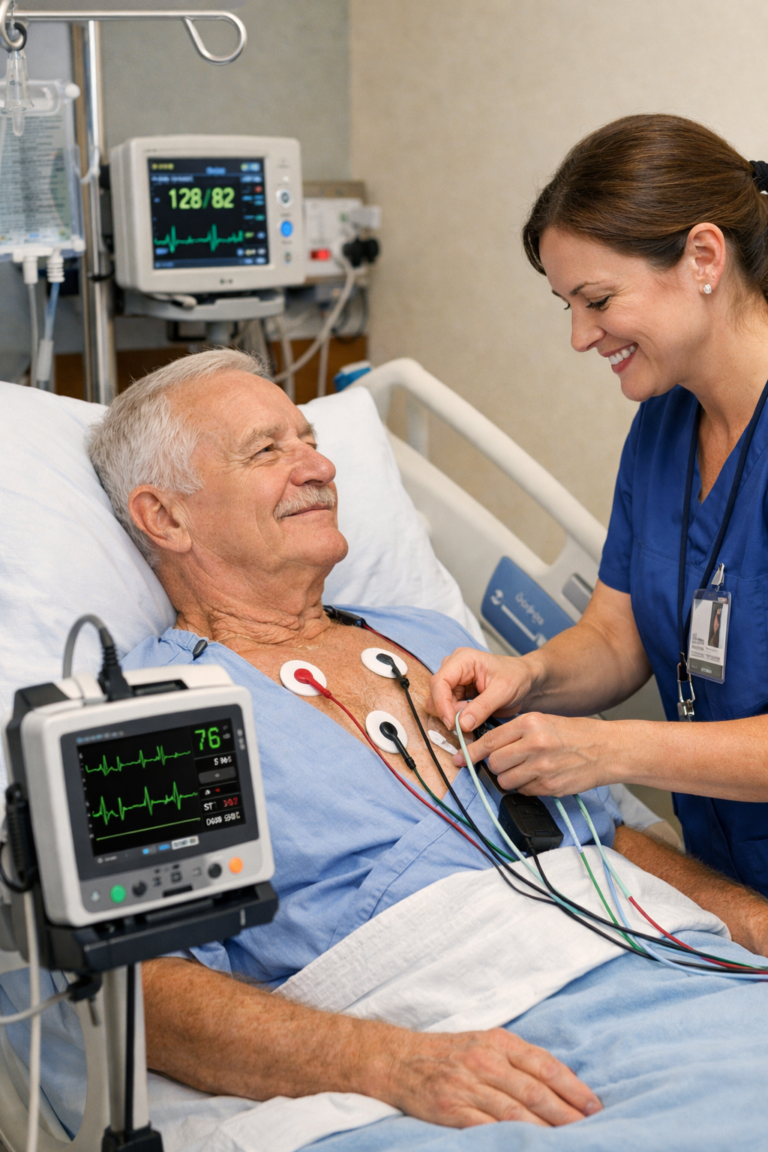
Adapter solutions also extend to ECG leads, non-invasive blood pressure (NIBP) cuffs, and temperature sensors. With standardized connectors and variable length extensions, these adapters simplify workflows by reducing the need to stock multiple proprietary cables, thus streamlining patient setups in busy wards.
Dual-Purpose and Multi-Connector Adapter Solutions
Some advanced adapter designs feature multiple output connectors, enabling use with various devices from different manufacturers. These dual-purpose cables are invaluable in emergency medicine, ambulatory care, and portable monitoring kits where adaptability equals agility.
Connector Compatibility and Signal Translation
Understanding Electrical and Protocol Matching
Signal translation isn’t just about physical connectivity—it’s about interpreting electrical signals correctly. Adapter cables must account for voltage levels, data rates, and waveform formats to ensure reliable readings. Failure in this area results in signal degradation or system misinterpretation.
How Adapter Cables Maintain Signal Integrity Across Brands
High-quality adapters include internal circuitry or chipsets that bridge signal discrepancies without distortion. They prevent signal lag, reduce electrical noise, and ensure proper timing between signal transmission and reception.
The Importance of Pinout Configuration and Shielding
Each OEM uses distinct pinout configurations within their connectors. A mismatch here can lead to data corruption or hardware damage. Proper shielding in adapter cables is equally critical—it protects against electromagnetic interference (EMI), especially in environments with multiple electronic devices operating simultaneously.
OEM-Specific Compatibility Considerations
Masimo®, Nellcor™, Philips®, and Mindray® Connector Challenges
Each of these manufacturers uses unique communication protocols and physical interfaces. Masimo’s SET® technology, for example, involves encrypted signal processing, while Nellcor’s OxiMax™ uses embedded memory chips for probe identification. Adapting between these systems requires specialized design and often licensing agreements.
Limitations Imposed by Proprietary Encryption or Lockouts
Many OEMs intentionally lock out third-party accessories to protect market share or ensure consistent quality. These mechanisms may include firmware checks, encrypted data streams, or digital handshakes. Attempting to bypass such safeguards without approved compatibility solutions can void warranties or violate regulatory standards.
How Compatibility Testing Is Conducted for OEM Systems
Thorough testing includes waveform analysis, latency measurement, and data integrity verification under various conditions. Certified compatibility ensures that critical parameters like SpO₂ and pulse rate are accurately conveyed without drift or delay.
Universal vs. Brand-Matched Adapter Cables
Pros and Cons of Universal Adapter Cables in Multi-Brand Facilities
Universal adapters provide flexibility and cost-efficiency by reducing the number of cables a facility must inventory. However, they may sacrifice some signal precision or full-feature access compared to brand-specific versions. Compatibility depends heavily on adherence to international standards.
When to Use Dedicated Brand-Specific Adapters for Reliability
In high-risk environments such as neonatal ICUs or operating rooms, precision is paramount. Here, using OEM-certified adapters guarantees that advanced sensor functions—like motion tolerance or low-perfusion performance—remain intact.
Clinical Use Cases for Adapter Solutions
Hospitals with Diverse Equipment Fleets
Large hospitals often purchase equipment in phases, leading to a mix of device generations and OEMs. Adapter cables eliminate the need for extensive retraining or replacement investments, enabling older sensors to work with newer monitors and vice versa.
Field Medicine and Emergency Care with Portable Monitors
Emergency responders need lightweight, universal tools to provide rapid care in unpredictable scenarios. Adapter cables help standardize setups across ambulances, helicopters, and rural triage centers, ensuring consistent data collection even in mobile units.
Homecare Scenarios with Patient-Owned Sensors
In homecare, patients may use sensors provided by different services or purchased independently. Adapter cables enable compatibility with remote monitoring hubs or telehealth devices, ensuring that data from disparate sources is captured accurately and efficiently.
Choosing the Right Adapter Cable
Assessing Device Compatibility and Patient Use Case
Key considerations include connector type, signal type (analog vs. digital), intended application, and environmental exposure. Clinical staff should evaluate not just brand match but also performance demands, like motion resistance or data encryption.
Working with Vendors Who Offer Validation and Technical Support
Choose suppliers that provide compatibility matrices, clinical validations, and live technical assistance. Reliable vendors will also offer documentation for regulatory audits and quality assurance programs.
Future Outlook
The Movement Toward Standardized Interfaces
There is a growing push within the industry for universal communication protocols like IEEE 11073 or USB-C-based connectors. These could dramatically reduce incompatibility and promote plug-and-play modularity in the coming decade.
Next-Gen Adapters with Smart Recognition and Auto-Configuration Chips
Next-generation adapters may include embedded microcontrollers that identify connected devices, automatically adjust signal parameters, and notify users of configuration errors—all in real time.
Conclusion
Adapter Cables as the Backbone of Clinical Flexibility
In an increasingly digital and hybridized healthcare landscape, adapter cables are more than accessories—they are the linchpins of interoperability. Their ability to unite devices from different generations and brands empowers caregivers to focus on what matters most: the patient.
The Key to Safe, Scalable, and Interoperable Patient Monitoring Solutions
With the right adapter solutions in place, healthcare providers can optimize resources, streamline workflows, and ensure continuity of care—no matter how complex the equipment environment may be.

 English
  German
  Spanish
  Italian
  French
  Portuguese
  Korean
  Russian
  Arabic
  Danish
  Swedish
  Polish
  Japanese